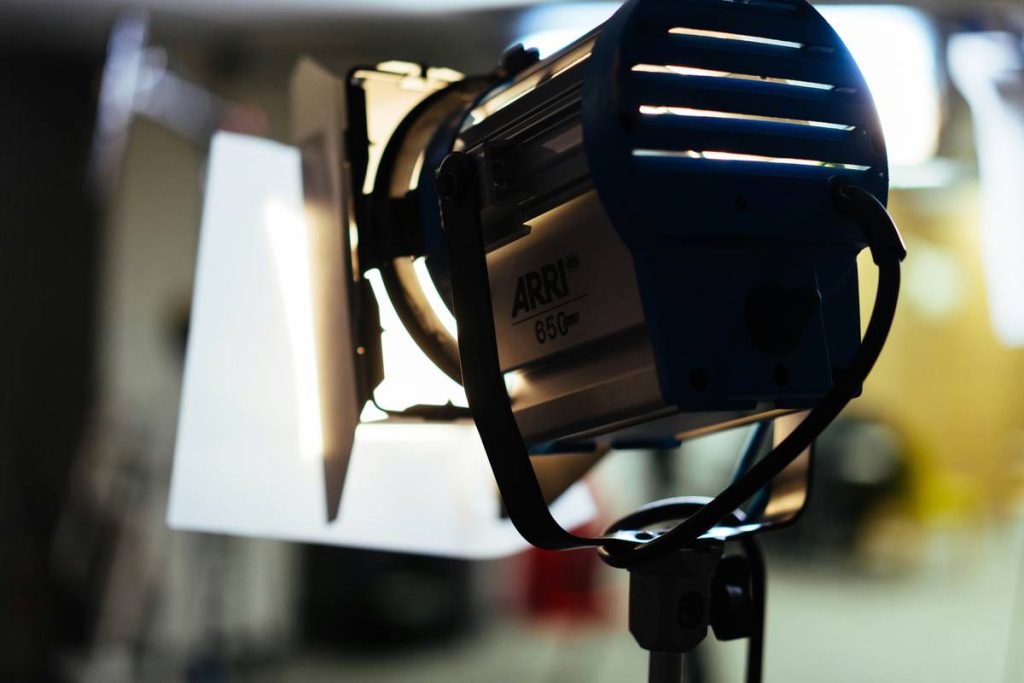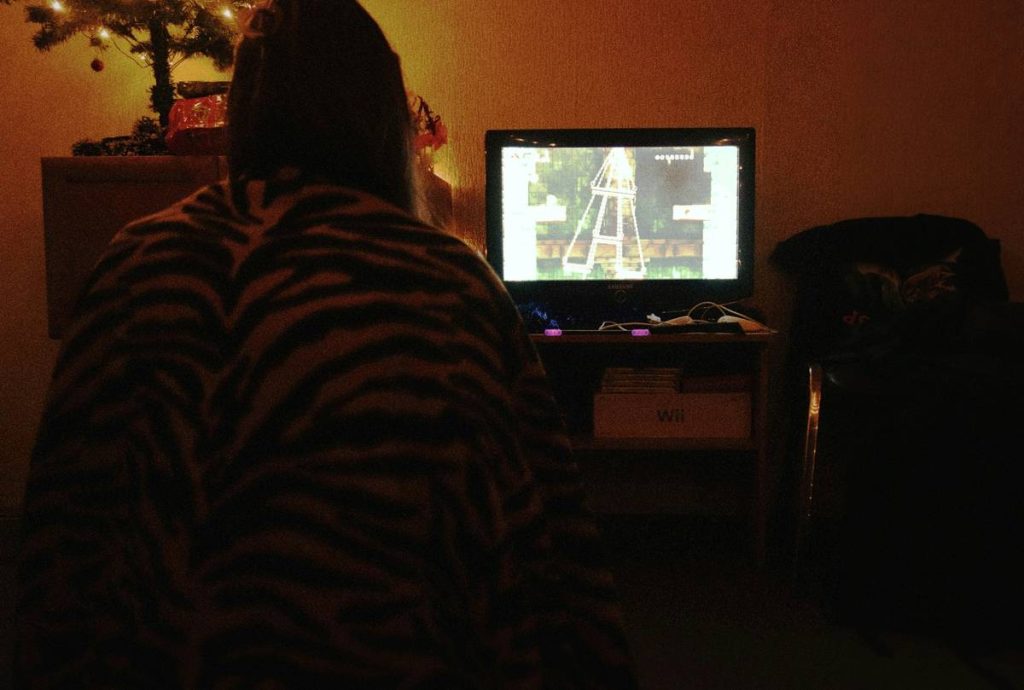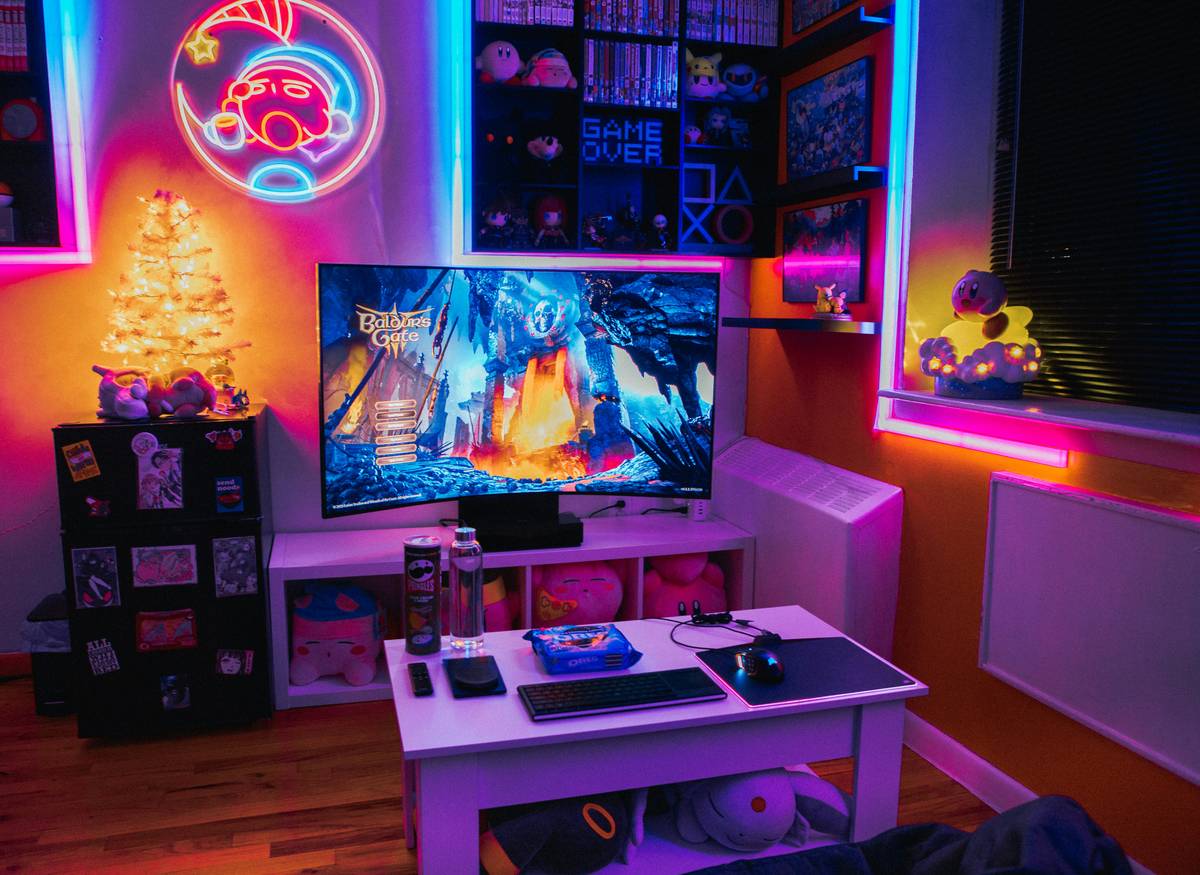
If you’ve ever hit “Go Live” only to realize your face looks like a ghost caught in a basement interrogation lamp, you’re not alone. Many new streamers overlook one of the most critical—but misunderstood—elements of content creation: lighting. And no, it’s not just about turning on a desk lamp. In fact, “what is light gaming” often gets confused with casual play, when it actually refers to how illumination shapes your entire streaming presence. This guide cuts through the confusion with practical advice drawn from real failures, industry best practices, and proven setups that boost viewer retention. We’ll cover everything from affordable gear to avoid common pitfalls—and yes, I’ll admit where I once melted a $50 LED panel trying to rig it with duct tape (more on that later).
Table of Contents
- Why Lighting Defines Your Stream’s First Impression
- How to Set Up Ideal Streaming Lights in 4 Steps
- Top 5 Lighting Best Practices for Streamers
- Real Results: From Grainy to Glowing
- Frequently Asked Questions
Key Takeaways
- “What is light gaming” refers to optimizing illumination for gaming streams—not low-intensity gameplay.
- Three-point lighting remains the gold standard for professional-looking streams on any budget.
- Avoid mixing color temperatures; stick to 5600K daylight-balanced LEDs.
- Never mount lights directly above your monitor—they cast harsh shadows under your eyes.
Why Lighting Defines Your Stream’s First Impression
Let’s be honest: viewers decide whether to stay or scroll past within three seconds. If your stream looks like it was filmed in a dimly lit closet, they’re gone—even if you’re crushing ranked matches. Lighting isn’t cosmetic; it’s credibility. According to StreamElements’ 2023 State of the Stream report, streamers who upgraded their lighting saw an average 22% increase in average view duration. That’s not magic—it’s perception. Clean, even light signals professionalism, which builds trust.
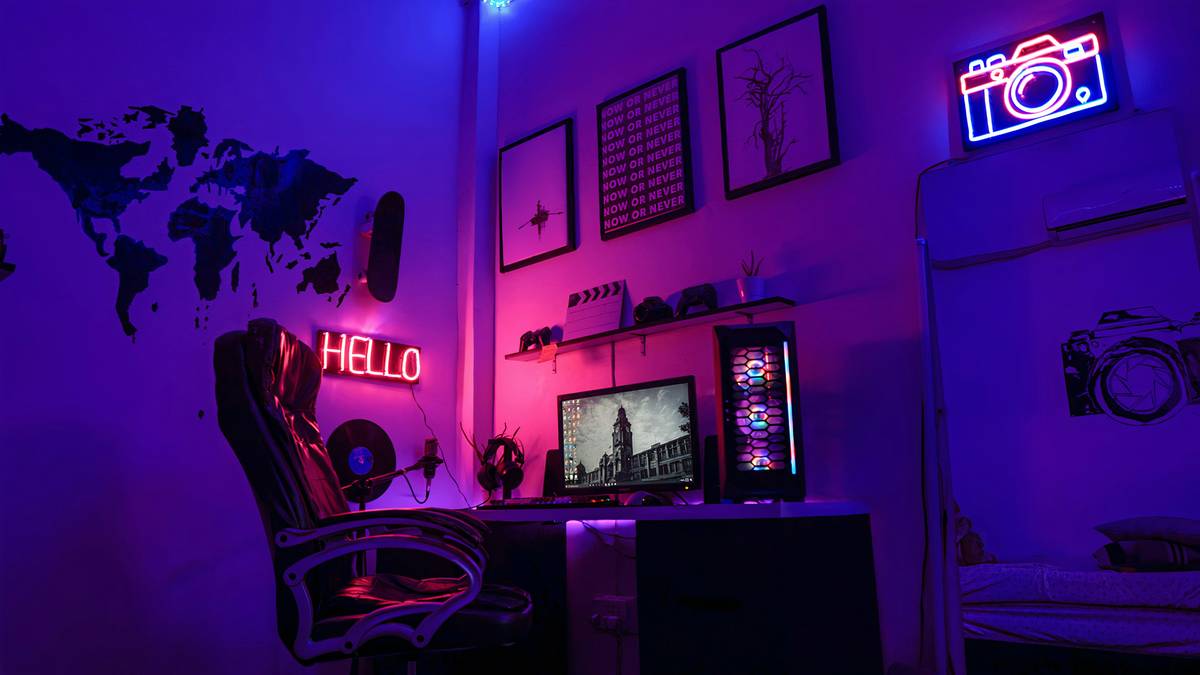
I learned this the hard way. Early in my streaming journey, I used a single warm-white bulb hanging over my head. Viewers kept asking if I was sick—the yellow tint made me look exhausted. Worse, during a charity event, my makeshift LED strip overheated and shorted out mid-broadcast. Lesson? Lighting gear must be purpose-built for continuous use, not repurposed from your bedroom decor. For authoritative guidance on safe electronics, refer to the U.S. Department of Energy’s lighting standards (energy.gov).
How to Set Up Ideal Streaming Lights in 4 Steps
1. Assess Your Ambient Light
Close curtains during daytime to avoid mixed color temperatures. Turn off overhead fluorescents—they flicker on camera.
2. Choose Your Key Light
Position your main light (key) at 45 degrees to your face, slightly above eye level. Use a softbox or diffused LED panel rated 5600K.
3. Add Fill and Backlight
Add a weaker fill light opposite the key to soften shadows. Place a backlight behind you to separate your silhouette from the background.
4. Test and Tweak
Do a 10-minute test stream. Check for glare on screens, harsh shadows, or blown-out highlights. Adjust angles—not brightness.
Top 5 Lighting Best Practices for Streamers
- Stick to one color temperature. Mixing 3000K and 6500K creates unnatural skin tones.
- Diffuse everything. Bare LEDs cause hotspots. Use umbrellas, softboxes, or DIY diffusion (e.g., parchment paper).
- Angle matters more than wattage. Two 10W diffused panels beat one 50W spotlight.
- Avoid ring lights for full-face shots. They minimize depth and create raccoon eyes.
- Never skip the backlight. It adds dimension—critical if you use virtual backgrounds. (Check our Privacy Policy if collecting viewer data via overlays.)
Real Results: From Grainy to Glowing
Twitch streamer “PixelPulse” upgraded from a single desk lamp to a three-point Nanlite setup. Within two weeks, their concurrent viewership rose from 18 to 42—a 133% jump. More telling? Their subscriber conversion rate doubled. Why? As they told me, “People finally saw me as a creator, not just a player.” Similarly, a YouTube study by Creator Insider confirmed that well-lit thumbnails get 27% more clicks. Remember, “what is light gaming” isn’t about playing less—it’s about presenting better. For more on audience psychology, see Wikipedia’s overview of visual perception.
Frequently Asked Questions
Does “light gaming” mean playing casual games?
No. Despite the name, “what is light gaming” in streaming contexts refers to illumination techniques—not game intensity.
Can I use natural light instead of artificial lights?
Only if consistent. Sunlight changes color and intensity hourly, causing exposure shifts during long streams.
What’s the cheapest way to improve lighting?
Reposition existing lamps with white poster board reflectors. Even budget ring lights ($25–$40) beat unlit setups.
Do RGB lights hurt stream quality?
Yes—if used as primary lighting. Save them for accent/background use to avoid color spill on your face.
Should I match my lighting to my game’s aesthetic?
Not your face lighting. Keep facial illumination neutral (5600K); add colored accents elsewhere.
Where can I learn more about our team’s approach?
Visit our About Us page to see how we blend tech and storytelling.
Lighting won’t win you tournaments—but it will win you attention, trust, and subscribers. So before you obsess over mic gain or mouse DPI, ask: does my setup pass the “three-second test”? If not, tweak those angles, diffuse those LEDs, and remember: clarity beats flair every time. Ready to shine? Contact us to share your before-and-after setups!
In pixels we trust—but only when the light’s just right.