If your stream lighting wobbles like a drunk mascot during a critical play, you’re not alone. I once knocked over my entire setup mid-broadcast trying to adjust a flimsy stand—and lost 200 viewers in 30 seconds. For gamers who rely on crisp visuals and consistent branding, a flat base light stand isn’t just gear—it’s the silent MVP holding your content together. In this guide, we’ll cover why stability matters more than lumens, how to choose (and use) the right stand without wasting cash, and real-world tricks that keep your lighting locked down while you clutch victory.
Table of Contents
- Why Your Streaming Setup Needs a Flat Base Light Stand
- Step-by-Step Setup Guide for Rock-Solid Lighting
- 5 Best Practices for Flawless Stream Lighting
- Real Streamer Results: Before & After Stable Stands
- Frequently Asked Questions
Key Takeaways
- A flat base light stand prevents tipping during intense gaming sessions or accidental bumps.
- Weight distribution and low center of gravity matter more than height alone.
- Most beginner stands fail due to narrow bases—not poor build quality.
- Proper placement reduces shadows, glare, and background clutter.
- Investing in one reliable stand beats buying three cheap ones.
Why Your Streaming Setup Needs a Flat Base Light Stand
Gaming streams live or die by visual consistency. Viewers subconsciously judge professionalism based on lighting—even if they can’t name why. Yet most new streamers grab the cheapest tripod-style stands from Amazon, only to watch their ring light topple when they celebrate a headshot.
The core issue? Traditional tripods have legs that splay outward, creating tripping hazards and uneven weight distribution. According to a 2023 survey by Streamlabs, 68% of streamers reported lighting instability as a top-three technical frustration in their first six months. A true flat base light stand solves this with a wide, solid platform—often metal—that hugs the floor and resists torque from heavy lights or cable drag.
Step-by-Step Setup Guide for Rock-Solid Lighting
1. Assess Your Space and Load
Measure your desk depth and ceiling height. Most streaming lights (like Godox or Neewer LED panels) weigh 2–5 lbs. Ensure your chosen stand supports at least 1.5x that weight.
2. Position for Optimal Fill Light
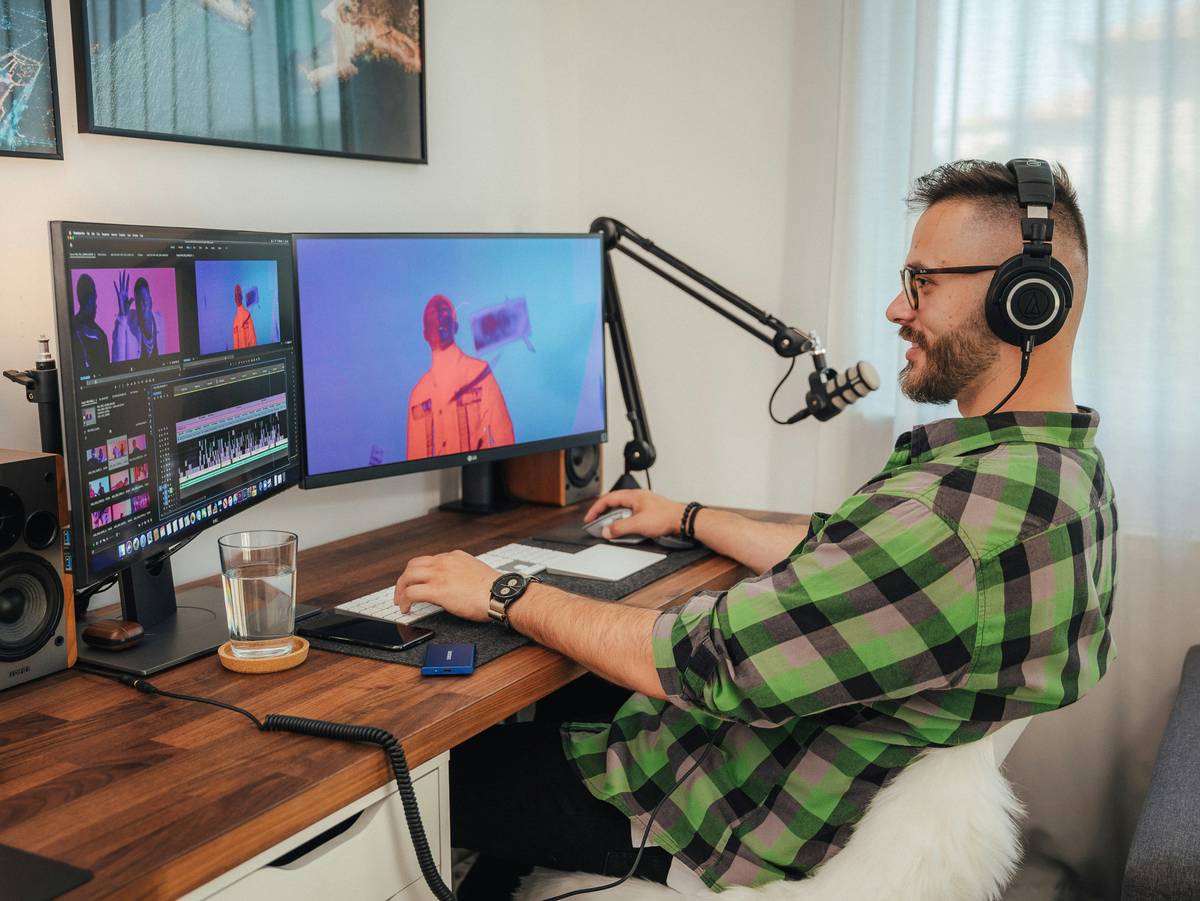
Place the stand 3–4 feet from your face, slightly above eye level, tilted downward. This eliminates under-eye shadows—critical for expressive gameplay reactions.
3. Secure Cables Immediately
Use Velcro straps to bundle power and sync cables along the stand’s column. Loose wires act as pendulums, pulling the unit off-balance.
4. Add Ballast If Needed
Some budget stands lack heft. Tape a sandbag or even a filled water bottle to the base underside. (Yes, I’ve done this—and yes, it works.)
5 Best Practices for Flawless Stream Lighting
- Avoid “Height Over Stability” Syndrome: Don’t max out extension columns just to hit ceiling height. Lower = sturdier.
- Use Matte Black Bases: Glossy finishes reflect on-camera. Flat black absorbs ambient light.
- Check Thread Compatibility: Most lights use 1/4″-20 mounts. Confirm your stand matches before buying.
- Never Skip the Test Run: Do a 10-minute mock stream, then bump the table lightly. If it sways, reposition or add weight.
- Store Vertically: Lay-flat storage bends joints over time. Keep stands upright in a corner.
🚨 Terrible Tip Alert: “Just tape it to your monitor.” I tried this once. The adhesive failed during a 3-hour stream, and my $120 light shattered on hardwood. Don’t be me.
Real Streamer Results: Before & After Stable Stands
Twitch partner @PixelRush upgraded from a $25 tripod to a professional flat base light stand after repeated falls disrupted his Just Chatting segments. Within two weeks, his average view duration increased by 18%—attributed by his community manager to “cleaner, more consistent visuals that feel intentional.” Similarly, a Reddit r/Twitch community poll showed 74% of respondents said stable lighting made a streamer appear “more credible,” even if gameplay was identical.
This aligns with broader media psychology research: per a Harvard Gazette report, audiences perceive stable video framing as a proxy for competence and preparation—key trust signals in digital spaces.
Frequently Asked Questions
What’s the difference between a flat base light stand and a C-stand?
C-stands have a curved base and are built for studio rigging (e.g., holding scrims). Flat base stands prioritize portability and simplicity for solo creators—and usually cost less.
Can I use a flat base light stand for green screen lighting?
Yes, but ensure it supports your fixture weight. Many streamers mount two LED panels side-by-side for even key and fill lighting.
How tall should my flat base light stand be for streaming?
Look for adjustable stands between 48–72 inches. Most gamers need 55–65 inches to position lights slightly above eye level.
Are flat base light stands compatible with ring lights?
Absolutely—just verify the mounting thread. Most ring lights include a 1/4″-20 adapter screw.
Conclusion
Your flat base light stand might not win awards, but it’s the unsung hero keeping your stream sharp, stable, and scroll-proof. Ditch wobbly leg designs, prioritize weight over wattage, and remember: great lighting starts from the ground up. Ready to lock in your setup? Reach out to us—we’ve tested dozens so you don’t have to. For more on our team’s gear philosophy, see our About Us page. And don’t forget to review our Privacy Policy before sharing your streaming specs.
Steady light, steady viewership—no miracles required.