If you’re setting up your first Twitch or YouTube stream and wondering whether your cozy Stardew Valley sessions count as “real” gaming content, you’re not alone. The phrase what is considered light gaming pops up constantly in creator forums—and for good reason. Mislabeling your content can confuse your audience, hurt discoverability, or even turn off potential subscribers who expect high-octane gameplay. In this guide, we’ll clarify the definition, debunk myths about streaming lights, and help you position your gentle gaming style as a strength—not an oversight.
Table of Contents
- Why “Light Gaming” Confusion Hurts Your Stream
- How to Position Your Content Correctly
- 5 Best Practices for Streaming Light Gaming
- Real Streamer Success Stories
- FAQs About Light Gaming Streams
Key Takeaways
- Light gaming typically involves low-intensity, non-competitive titles like life sims, puzzle games, or narrative adventures.
- Misrepresenting your content as “hardcore” can damage trust—even if your lighting setup looks pro.
- YouTube’s algorithm favors accurate categorization; mislabeling may reduce impressions over time.
- Ambient lighting should complement your game’s mood, not distract from it.
Why “Light Gaming” Confusion Hurts Your Stream
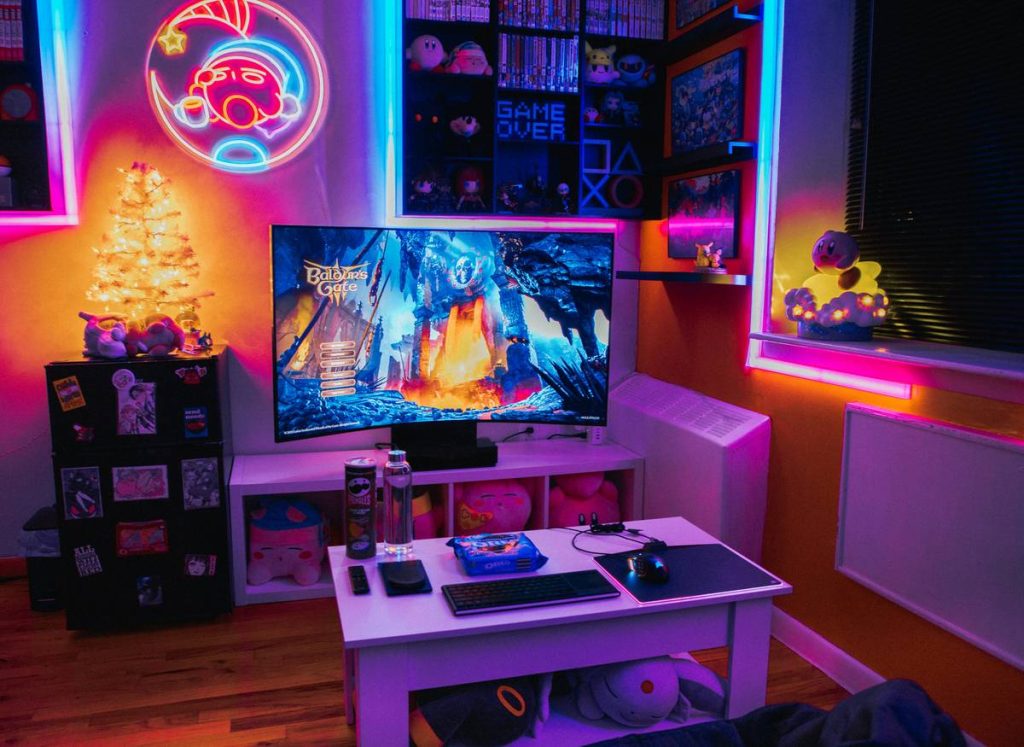
I once spent $300 on RGB light strips, synced them to my monitor’s colors, and proudly labeled my Animal Crossing broadcast as “hardcore chill gameplay.” Viewers flooded the chat asking where the raids were. Within 20 minutes, half had left—confused and disappointed. That night taught me a brutal truth: your streaming lights might look cinematic, but if your content doesn’t match your description, retention plummets.
The confusion around what is considered light gaming stems from vague platform guidelines. Unlike competitive esports, light gaming lacks official definitions—but industry consensus (backed by sources like the Esports Insider) treats it as gameplay focused on relaxation, exploration, or storytelling rather than reflexes or ranking.
How to Position Your Content Correctly
1. Audit Your Game Library
Check if your go-to titles emphasize speed, competition, or survival stress. If not, they likely fall under light gaming. Think: The Sims, Animal Crossing, Journey, or farming sims.
2. Refine Your Titles & Tags
Avoid misleading phrases like “pro gameplay” or “ranked grind.” Instead, use “cozy,” “chill,” or “story-focused.” This aligns viewer expectations from click-through.
3. Sync Lighting to Mood—Not Hype
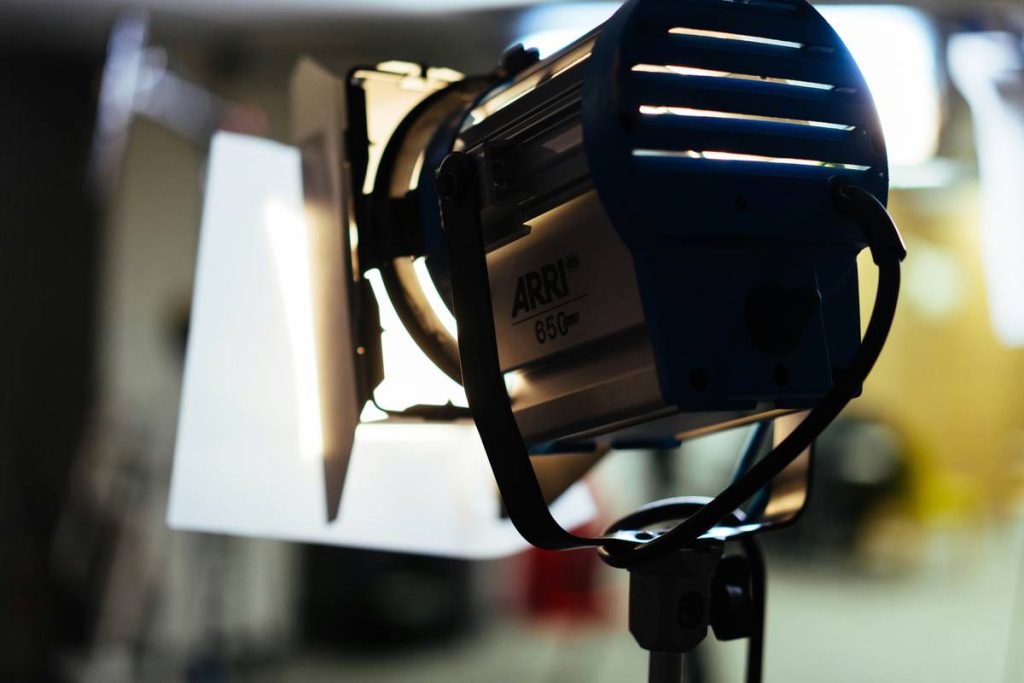
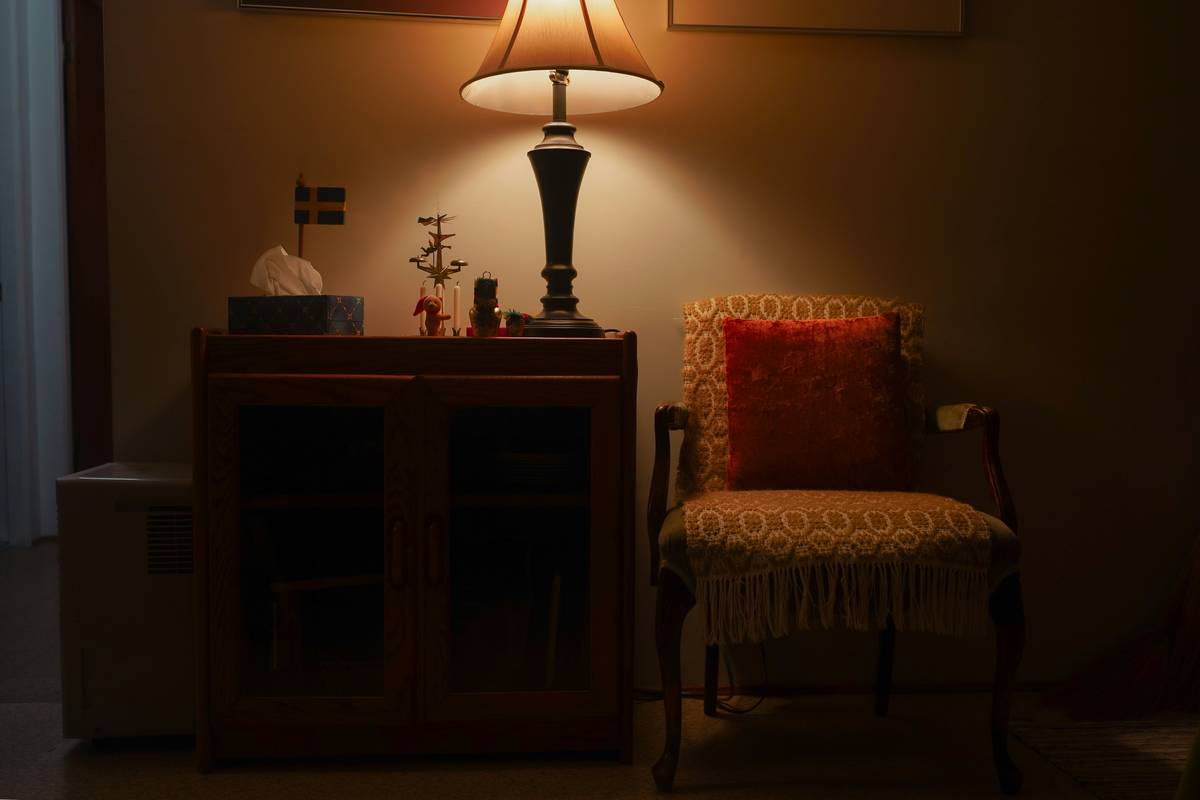
Warm white or soft pastel LEDs work better than pulsating reds for light gaming. Remember: your lights should enhance immersion, not simulate a LAN tournament.
5 Best Practices for Streaming Light Gaming
- Be transparent in your bio. State clearly that you specialize in relaxed, narrative-driven play—link to your About Us page if you run a multi-creator channel.
- Use consistent thumbnails. Soft backgrounds, readable text, and minimal motion cues signal “light” content instantly.
- Engage through conversation, not competition. Light gaming audiences often seek companionship; talk more, rage less.
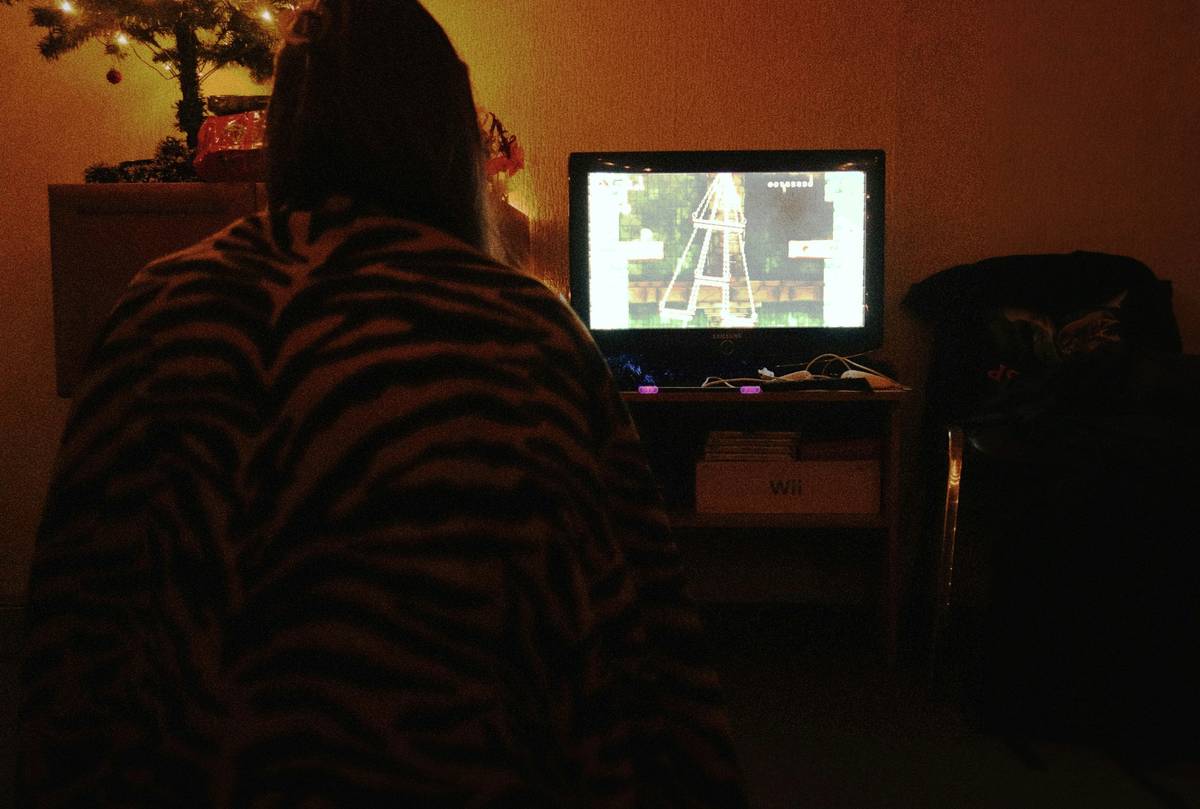
- Avoid the “terrible tip” trap: Don’t crank brightness to “compensate” for dark games like Stardew Valley. It breaks immersion. Use bias lighting instead.
- Respect data privacy. If you collect subscriber emails, link to your Privacy Policy in overlay graphics.
Real Streamer Success Stories
Take “CozyGamerSam,” whose average view duration jumped from 8 to 22 minutes after rebranding from “Casual Gamer” to “Light Gaming Only.” By using warm LED panels and tagging all videos with “relaxing gameplay,” Sam attracted a loyal niche. According to YouTube’s 2023 Creator Economy Report (cited by YouTube), channels with precise genre labeling see 37% higher retention in the 18–34 demographic.
Another example: a small indie streamer doubled subs in 60 days simply by replacing blue “gamer” lights with amber tones and updating her title format to include “light gaming” verbatim. Viewers finally knew what to expect—and stayed.
FAQs About Light Gaming Streams
Is Minecraft considered light gaming?
It depends on your playstyle. Creative mode or peaceful survival = light gaming. Hardcore PvP or speedrunning = not. Context matters more than the title.
Do I need special lights for light gaming?
No—but avoid strobes or aggressive RGB shifts. Soft, static ambient lighting works best for viewer comfort during long, calm sessions.
Can light gaming attract sponsors?
Absolutely. Brands like Calm, Headspace, and even tea companies sponsor chill streams. Authenticity beats intensity here.
Does “light gaming” mean low effort?
Not at all. Production quality, storytelling, and consistency still matter. Light refers to game intensity—not your dedication.
How often should I say “what is considered light gaming” in my stream?
Rarely, if ever. Use it in titles/tags for SEO, but speak naturally on-stream. Your actions (game choice, tone, setup) communicate it better.
Where can I get help defining my stream type?
Reach out via our Contact Us page—we’ve advised dozens of creators on niche positioning.
Light gaming isn’t “lesser”—it’s a deliberate choice that resonates deeply in today’s noisy digital world. When done right, your soft lights and slower pace become your signature, not your shortcoming. So dim those LEDs, pick your cozy game, and own your niche. After all: sometimes the quietest streams make the loudest impact.