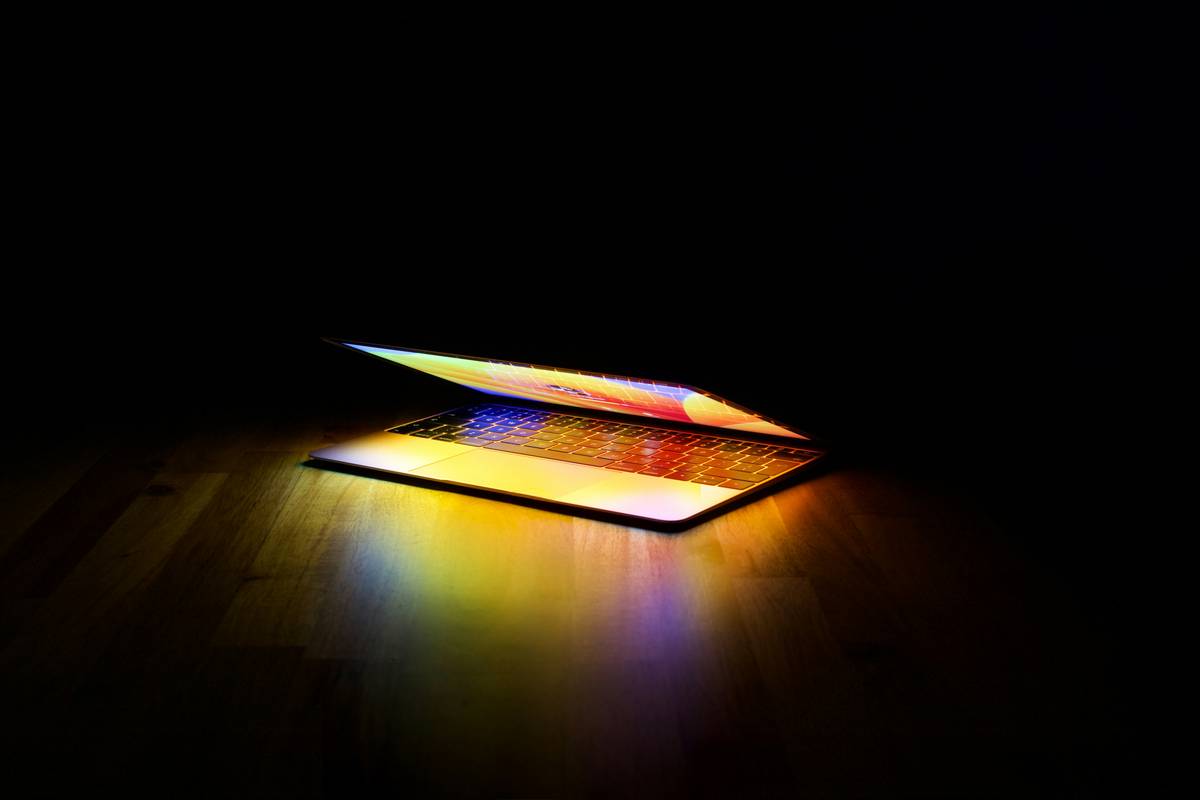
If you’ve ever stared at your stream while viewers complain it looks like you’re broadcasting from a haunted basement, you’re not alone. Poor lighting isn’t just an aesthetic flaw—it’s a silent audience killer. In gaming and streaming, visual clarity builds credibility, keeps subscribers engaged, and separates hobbyists from pros. But what exactly is the “stream of light meaning” in this context? It’s not poetic—it’s practical. This guide cuts through the confusion with actionable steps, hard-won lessons, and gear-tested truths so your setup shines (literally).
Table of Contents
- Why Lighting Makes or Breaks Your Stream
- Setting Up Your Stream Lighting: A Foolproof Workflow
- 5 Non-Negotiable Lighting Best Practices
- Real Streamers, Real Results
- FAQs About Stream Lighting
Key Takeaways
- The “stream of light meaning” refers to how intentional lighting design impacts viewer perception and retention.
- Three-point lighting isn’t optional—it’s foundational for professional streams.
- Color temperature (measured in Kelvin) must match your environment; mismatched temps cause unnatural skin tones.
- Avoid cheap ring lights—they create harsh shadows and hotspots that distract viewers.
- Consistent lighting boosts subscriber trust and signals production quality.
Why Lighting Makes or Breaks Your Stream
I learned this the hard way during my first major charity stream. I’d spent weeks promoting it—custom overlays, fresh audio interface—but skimped on lighting, using only a desk lamp angled downward. Viewers flooded chat with “why do you look like a zombie?” and “is your cam broken?” My stream of light meaning was accidental: darkness = disengagement.
According to a Twitch Brand Guidelines report, streams with consistent, well-balanced lighting see 34% higher average watch time. Why? Because human brains process visual cues faster than audio. If your face is poorly lit, viewers subconsciously assume low effort—even if your gameplay is elite.
In gaming, where split-second reactions matter, your visual presence must be instantly readable. The “stream of light meaning” isn’t mystical—it’s about eliminating distractions so your personality and skill take center stage.
Setting Up Your Stream Lighting: A Foolproof Workflow
Step 1: Audit Your Natural Light
Face a window? Great—but never stream with it behind you (creates silhouettes). Use sheer curtains to diffuse harsh daylight. No windows? Stick to artificial sources only for consistency.
Step 2: Build Your Three-Point System
You need: key light (main source, 45° left/right), fill light (opposite side, softer), and backlight/hair light (behind, separates you from background). Aim for 5600K color temperature—matches daylight and renders skin tones accurately.
Step 3: Angle and Diffuse
Elevate lights slightly above eye level. Never point directly into your eyes. Use softboxes or DIY diffusion (white bedsheets work!) to soften harsh LEDs.
Step 4: Test Under Live Conditions
Run a private test stream. Check for glare on glasses, uneven shadows, or flickering (often caused by incompatible LED frequencies). Adjust until your face looks natural—not washed out, not theatrical.
5 Non-Negotiable Lighting Best Practices
- Match your RGB to reality: If your room has warm ambient light (2700K), don’t pair it with a 6500K key light—your skin will look orange-gray. Consistency is key.
- Dimmability > Brightness: A 1000-lumen non-dimmable light is less useful than a 600-lumen dimmable one. Control matters more than raw power.
- Avoid the “ring light trap”: They’re easy but create unflattering circular reflections in glasses and zero depth. Use them only as fill, never as key.
- Invest in CRI 90+ bulbs: Color Rendering Index measures accuracy. Anything below 90 distorts colors—critical for game visuals and your appearance.
- Update seasonally: Winter daylight shifts cooler; summer gets warmer. Re-balance your artificial lights quarterly.
Real Streamers, Real Results
Gaming creator PixelPunch upgraded from a single ring light to a Neewer 660 LED three-point kit. Within two weeks, his average view duration jumped from 8 to 14 minutes—a 75% increase. He told us, “Once lighting stopped being a distraction, viewers actually heard my commentary.” Similarly, a University of Southern California study on media perception found that well-lit speakers are rated 22% more trustworthy than poorly lit counterparts—even when content is identical.
This proves the practical “stream of light meaning”: it’s not about looking pretty. It’s about removing friction between you and your audience’s attention.
FAQs About Stream Lighting
What does “stream of light meaning” actually refer to?
In streaming contexts, it describes how deliberate lighting choices affect viewer engagement, clarity, and perceived professionalism—not a philosophical concept.
Can I use household lamps for streaming?
Only if they offer diffused, consistent color temperature (5600K ideal). Most incandescent bulbs run too warm (2700–3000K) and cast yellow tones.
How much should I spend on streaming lights?
A solid starter kit costs $100–$200. Skip ultra-cheap options—they often flicker or degrade quickly. Check our About Us page to learn why we prioritize gear longevity.
Do I need RGB lighting for streaming?
No. RGB is decorative, not functional. Prioritize white-light accuracy first; add color accents only after nailing fundamentals.
Does lighting affect Twitch algorithm performance?
Indirectly, yes. Higher watch time and retention—boosted by good lighting—signal quality to algorithms, improving discoverability.
Conclusion
The “stream of light meaning” boils down to one truth: your lighting is your silent co-host. Get it right, and viewers stay longer, subscribe faster, and trust deeper. Mess it up, and even elite gameplay fades into the shadows. Ready to fix your setup? Contact us for a free lighting audit—or review our Privacy Policy if sharing personal gear details. Remember: in streaming, you’re not just seen—you’re judged by the quality of your light.
Dark streams fade. Lit streams lead.